The recent judgment of M.L. v Dr Francois Viljoen van der Merwe, out of the Western Cape High Court division, addresses a delictual and contractual claim against a specialist gynaecologist.
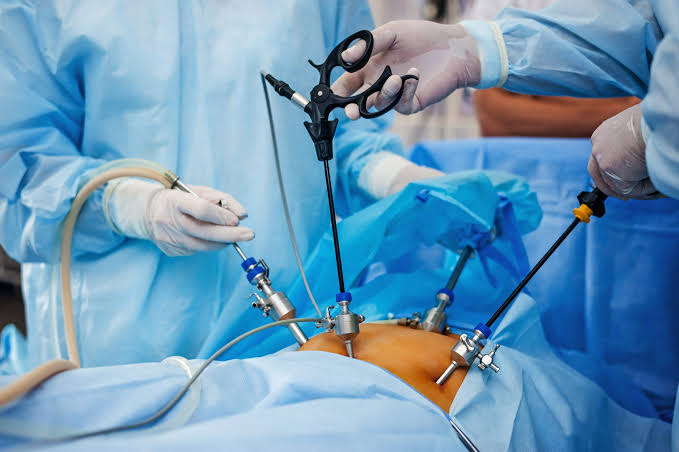
The Plaintiff in this matter underwent a laparoscopic procedure on 19 April 2016, during which the right ovary and other associated cystic masses were removed. During this procedure a bladder perforation injury occurred, which had to be repaired during a follow-up surgery on 4 May 2016.
The Court was faced with the question, whether the injury resulted from negligence by the medical doctor.
Plaintiff’s Allegations
The claim alleged breach of duty or contract: in that there was inadequate standard of surgical care in use of a LigaSure energy device to dissect adhesions near the bladder, a failure to convert from laparoscopy to open surgery given the adhesions, and a delay or incorrect diagnosis after complications arose.
Expert Evidence
The Plaintiff’s experts highlighted the heightened risk due to adhesions from the previous hysterectomy, and argued that use of the heat‑generating device in proximity to a fragile bladder tissue was indeed negligent.
The Defendant’s experts argued that the LigaSure Maryland (not Atlas) device was appropriate in the circumstances as it had a more controlled thermal output and therefore a lower risk that monopolar or bipolar cautery may occur.
Court’s Findings
The court accepted that the bladder dome was located 6‑8 cm away from the site of the thermal dissection which was visible on photographic evidence, making it anatomically impossible that the LigaSure device caused the injury to the bladder.
Both of the Plaintiff’s experts eventually agreed that alternative cautery (monopolar or bipolar) would not have reduced the risk and could actually cause more thermal damage than the LigaSure device.
Judgment & Outcome
The Court concluded that no negligence occurred. The plaintiff’s claim failed on the evidence. The injury could not be tied to the surgical method or device used.
Why This Judgment Matters
The judgment matters deals with the following three essential aspects when determining negligence on behalf of a medical practitioner:
1. Professional Practice Standards
The judgment examines the surgical duty of care in the complex field of gyneacological surgery and clarifies the appropriate use of energy-based devices in high risk adhesiolysis environments.
2. Medical Device Risk Assessment
The judgment highlights the distinctions between the various medical devices which may be used in these procedures and it demonstrates the absolute importance of expert testimony in medical and medical-device-related litigation.
3. Causation and Anatomy in Medical Negligence Law
The judgment also affirms that anatomical distance and thermal spread analysis can decisively determine causation in medical negligence cases, which is essential in proving that there was indeed negligence by the medical practitioner.
Conclusion
The 7 March 2025 judgment in M.L. v Van der Merwe marks a significant ruling on the use of energy‑based surgical devices in cases of adhesions and prior surgery. The Court, guided by expert anatomical and device‑specific testimony, found no liability on the part of the medical practitioner. The ruling underscores the importance of meticulous expert evidence and anatomical precision in medical negligence litigation.
Medical procedures carry risks — but when complications arise from negligence, you have the right to seek justice. If you or a loved one experienced injury due to a surgical error or delayed diagnosis, let our experienced legal team help you navigate your rights.
Contact Danel Campbell Attorneys for compassionate, experienced legal assistance.
 info@danelcampbell.co.za
 Pretoria | Serving clients across South Africa