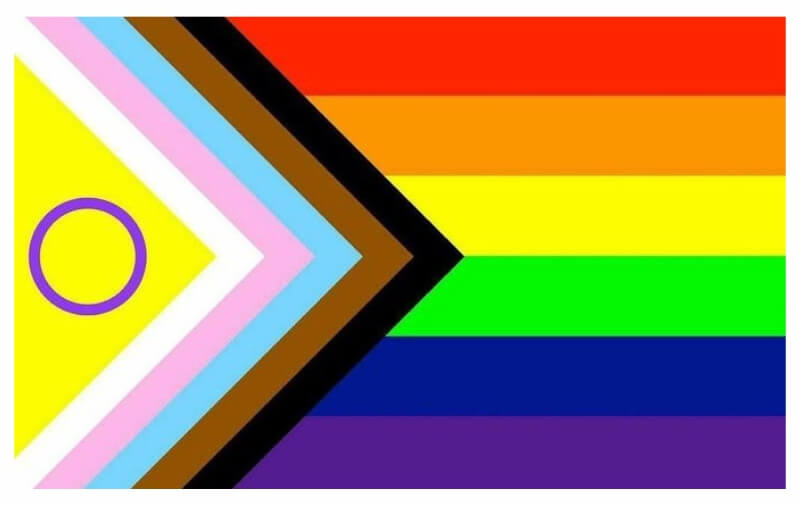
The rainbow flag is symbolic of the LGBQTI+ community and every year, the Rainbow flag pops up around the world, and you hearwords like: “happy Pride Month” or “it is Pride Month”,as people recognize and celebrate Pride Month.
The concept of “Pride” is dedicated to the observance of LGBQTI+ community’s visibility and the movement toward equality. It is also an observance of the history of gay rights and related civil rights movements.
Pride month was established in the United States to commemorate the Stonewall riots which occurred at the end of June 1969, and that sparked widespread change for LGBQTI+ rights around the world.
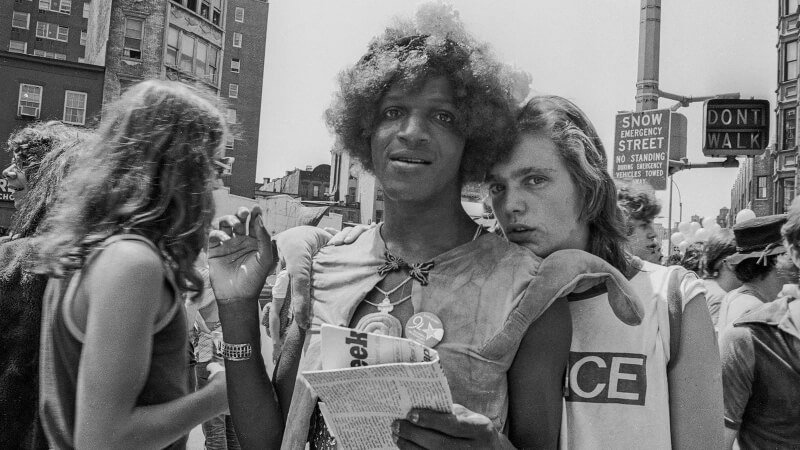
On 28 June 1969, police officers violently raided the Stonewall Inn – a gay bar in New York’s Greenwich Village. Even though raids were not a rare occurrence, the people of the community fought back and hundreds of people resisted arrest during this period. Protesters took to the streets for five nights, led by an African American trans-gender woman, Martha P Johnson.
Even though this was not the first example of activism, it was the most impactful of that time and resulted in widespread media coverage around the world. Every year since then the community and their allies have rallied to remember the riots and its impact.
South Africa, which has had its fair share of inequality in respect of marginalised groups, also celebrates the concept of Pride. Pride is an important celebration for the South African LGBQTI+ community as our Constitution grants every individual the rights to equality, dignity and freedom, and security of the individual.
Even though the 1996 Constitution does not specifically mention the concept of Ubuntu, it is an implied value of the Constitution. Ubuntu can be linked to the construct of Pride in that it has its roots in the humanist African philosophy where the idea of community is one of the building blocks of society and is based on especially dignity.
Should any person infringe unfairly on any of the rights granted in the Constitution of an individual, the unfairly discriminated individual may have a legal remedy.